|
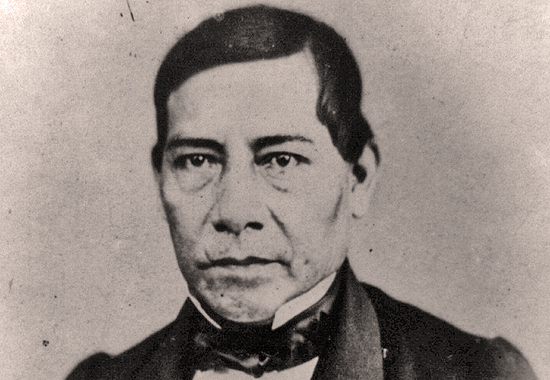
Benito Juárez 1806 - 1872
|
|
Image above:
Benito Juarez -
Aula Digital |
Benito Juárez' reputation is that of a modest, honest, and extremely competent
man.
Benito "Pablo" Juárez was born on
March 21, 1806, in
San Pablo Guelatao, Oaxaca.
Today, his birthday is a public holiday
in Mexico. Natalicio de Benito Juárez is
annually observed on the third Monday of March.
Benito Juarez
Click photo to enlarge
Benito Juárez' Family
Benito Juárez was
the son of Native American parents, which made him a
Zapotec Indian.
In 1843, Benito Juárez
married Margarita Maza. Margarita was a girl from
Oaxaca. She died in 1871.

Margarita Maza de
Juárez
Comisión Nacional
Organizadora de las Conmemoraciones de 2010
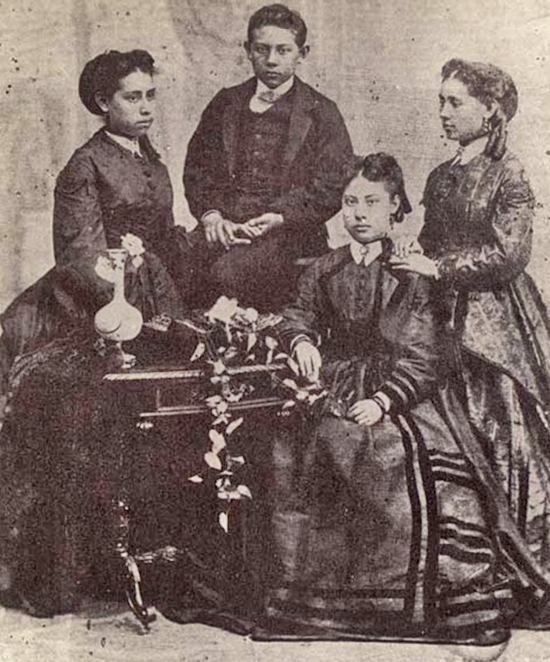
BENITO JUAREZ'
CHILDREN
From
the book Antonio Arriaga, La patria recobrada
Benito Juárez' Career
Benito studied
law and science. He became judge and governor of
Oaxaca, a
southern Mexican state.
While teaching law at the
Institute of Sciences and Arts of Oaxaca, Benito Juárez tutored
amongst others future dictator
 Porfirio
Diaz. Porfirio
Diaz.
Benito Juarez was one of the main leaders of
The Reform, or
La Reforma, which, if implemented, would change the general
social structure. It would for example strip military and church of
some of their special privileges.
When Juarez became Minister of
Justice, he furthered the goal of the reformers.
All these reforms called for a new constitution, which became known
as the Constitution of 1857.
Neither church nor military was a fan
of these changes. Thus, civil war broke out, also called the
War of the Reform, which
was fought from 1857 until 1860.
Other names for this war are
The
Mexican Civil War, The War of Reform, or
Guerra de Reforma.
The Constitution of 1857, by the way,
remained in force until it was replaced by the
Constitution of 1917.
Back to Benito.
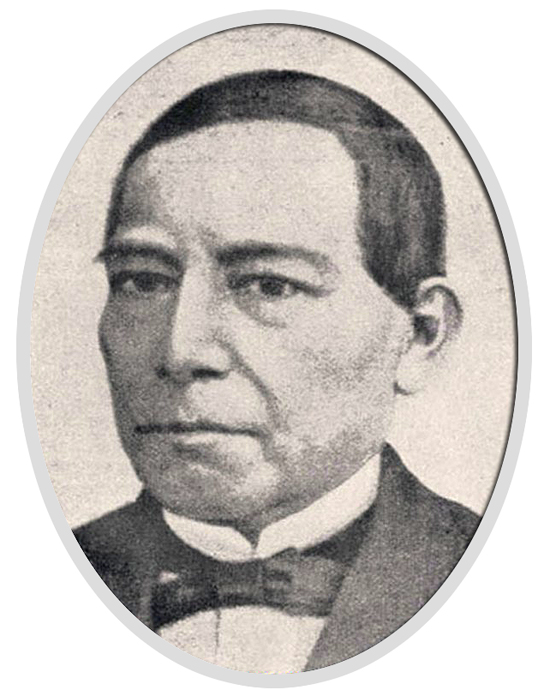
BENITO JUAREZ - MEXICO'S FIRST
CONSTITUTIONAL PRESIDENT
In 1861, Benito Juarez was elected president of Mexico.
The French had
different plans, however. They thought their man
Maximilian should be emperor of Mexico. Before long, Maximilian was shot and Benito was elected for president once again in
1871.
What really happened here?
Check the
French-Mexican War.
President Benito Juárez aimed to
establish a solid foundation for civil power in Mexico.
In spite of
the fact that the country had just come through a long phase of
wars, Benito Juarez cut back the power of some generals with political aspirations and
reduced the number of troops considerably.

Benito Juárez
Comisión Nacional
Organizadora de las Conmemoraciones de 2010
And we've saved
the best for last. Although not in chronological
order, here comes a Benito Juarez Daguerreotype:
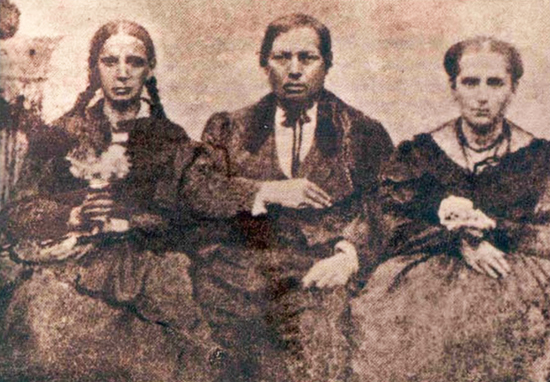
Left to right: Josefa Juarez, Benito Juarez and
Margarita Maza de Juárez
From the book
Guadalupe Pérez Sanvicente y Antonio Arriaga
Ochoa, Juárez en el Arte
More History
|