|
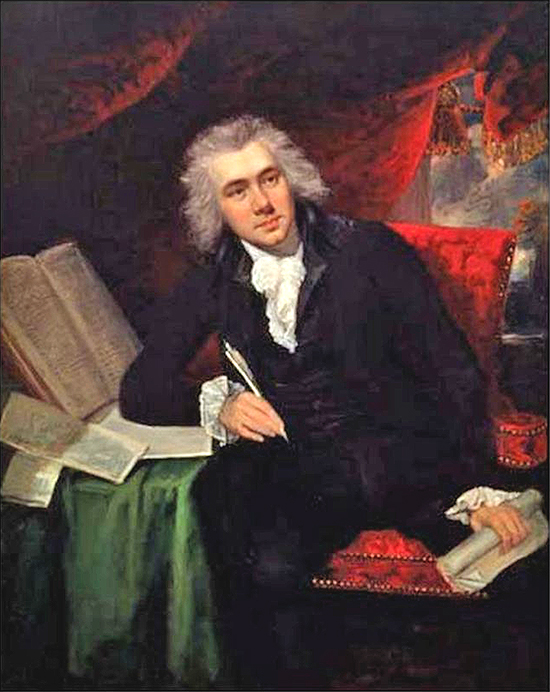
William Wilberforce 1759-1833
British William Wilberforce has his place in history because of his
strong views against slavery, which put him in direct opposition to
one of the main sources of commercial revenue of the British
Empire at the time.
|
|
Image Above
William
Wilberforce by John Rising (b. 1753, d. London
1817)
Oil on canvas, 1790.
Wilberforce House
Museum
This portrait of
William Wilberforce depicts him at the age of
29, when he was taking up the cause for the
abolition of the Slave Trade in Parliament. |

Front Entrance of the Wilberforce House Museum
The House was built around 1660.
William Wilberforce was born here on
August 24, 1759.
The Wilberforce House has been a museum since 1906.
William Wilberforce's Views and Values
Wilberforce was a spiritual man.
Around
1790, he became one of the leaders of the Clapham Sect, who
were evangelical Christians, abolitionists, but other than that
politically on the conservative side.
Clapham, by the way, is located in the
south of London and used to be the Manor of Clapham back in the
days.
Here is the map. Look for Battersea.
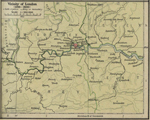
London
Vicinity 1200-1600
Back to Wilberforce.
On May 12, 1789, Wilberforce delivered
his
 Abolition speech to the
House of Commons in London, in which he, one by one, addressed all
major arguments that circulated against the abolition of the slave
trade.
Abolition speech to the
House of Commons in London, in which he, one by one, addressed all
major arguments that circulated against the abolition of the slave
trade.
Four hours later,
William Pitt the
Younger thanked William Wilberforce
"for the manner in which he had
brought the subject before the House, not merely in regard to
the masterly, forcible, and perspicuous mode of argument which
he had pursued respecting it, but particularly for having chosen
the only way in which it could be made obvious to the world,
that they were warranted in every ground of fact and of reason,
in coming to that vote, which he trusted would be the end of
their proceeding."
William Wilberforce's Family
William's son was
Samuel Wilberforce, the Bishop of Oxford,
later Winchester.

William Wilberforce
William Wilberforce's Brief Biography
August 24, 1759 - Birth at Hull, Yorkshire, England
Education at Cambridge
1780 - Enters Parliament
1784 - Converts to evangelical Christianity
1787 - Begins his quest for the abolition of the slave trade
1787 - Founder of the Proclamation Society
September 1791 - Is made honorary citizen of France
1807, March 2 - The U.S. Congress
approves the Slave Trade Act, which effective from January 1, 1808,
will abolish the importation of slaves. The slave trade is outlawed.
1815 - Speaks in favor of the
Corn Laws
1823 - Founder of the Anti-Slavery Society, aka the Society for
Effecting the Abolition of the Slave Trade
1833, July 26 - The Slavery Abolition
Bill is passed by the Commons
1833, July 29 - Death at London
1833, August 28 - The Slavery Abolition
Act becomes law
More History
|